Classroom games that get a whole class talking.
I'm Jacobus Barnard. I design games and tools that run on one classroom projector, with no student devices, and I build them with AI coding agents. Five games, eight free tools and a teacher's classroom manager are live together as Class Cookies.
Counted on 7 October 2026 from the live sites and fresh copies of each production branch. How these were measured.
One platform, five games
Each game is its own app on its own address. Class Cookies ties them together with one sign-in and one subscription, and adds the tools a teacher uses around the games.
Class Cookies
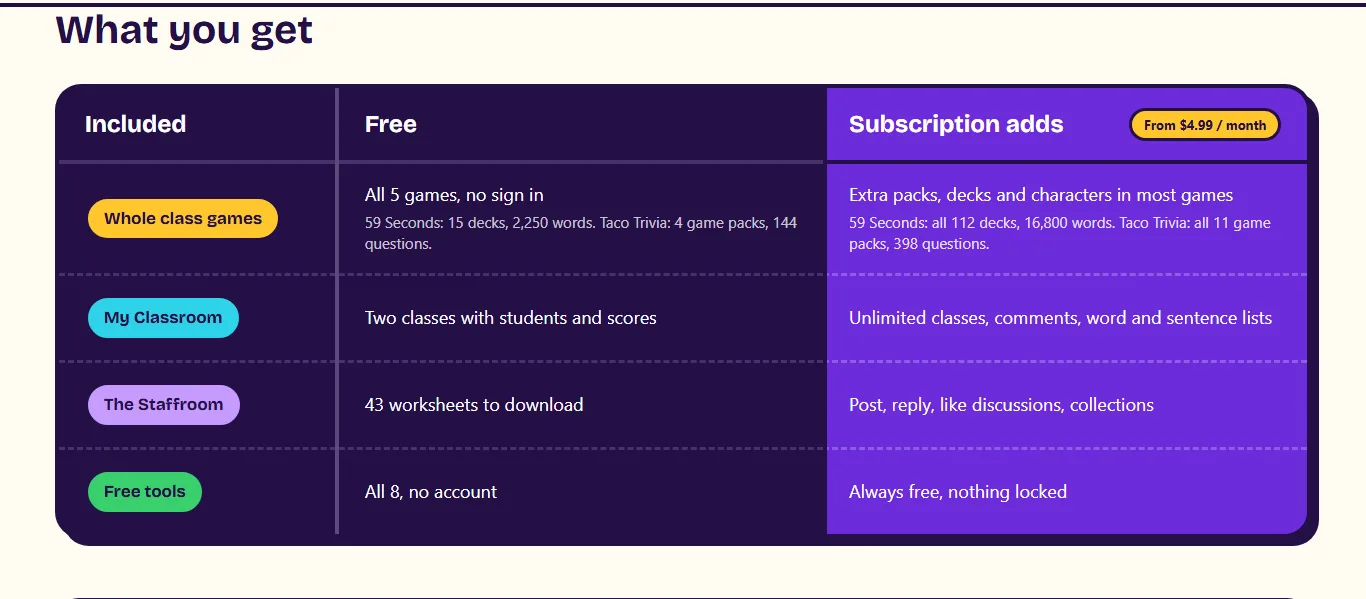
The platform: five games, eight free classroom tools, My Classroom for class lists and scores, 43 free worksheets and The Staffroom, a forum for teachers. Every game is free to play in full with no sign-in.
25 database tables with row-level security on every one; 2,670 automated tests.
59 Seconds
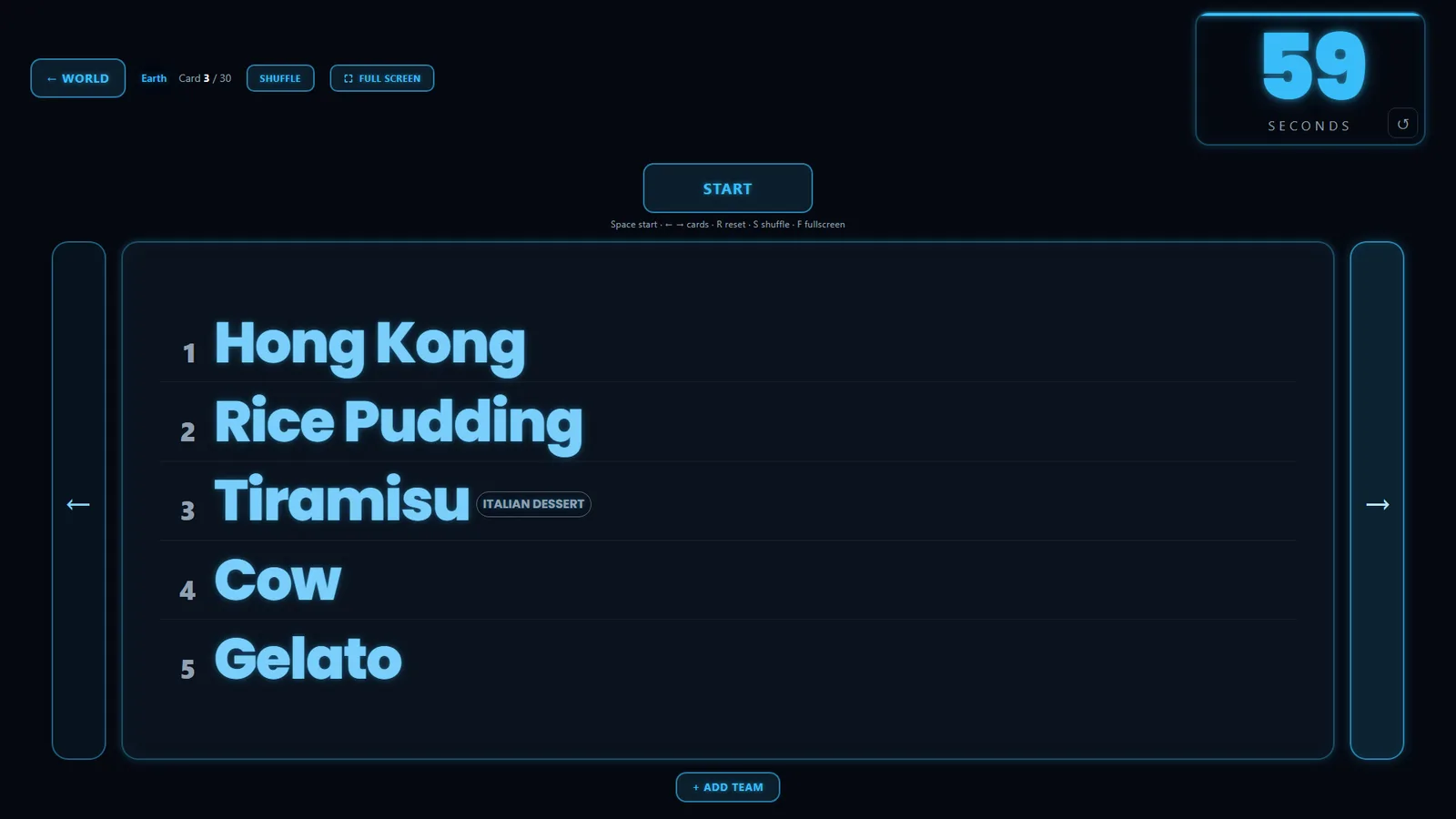
One card, five words, 59 seconds. A speaking game with 15 packs and 3,360 cards, many of them local to the class's own country. My master's capstone.
Taco Trivia
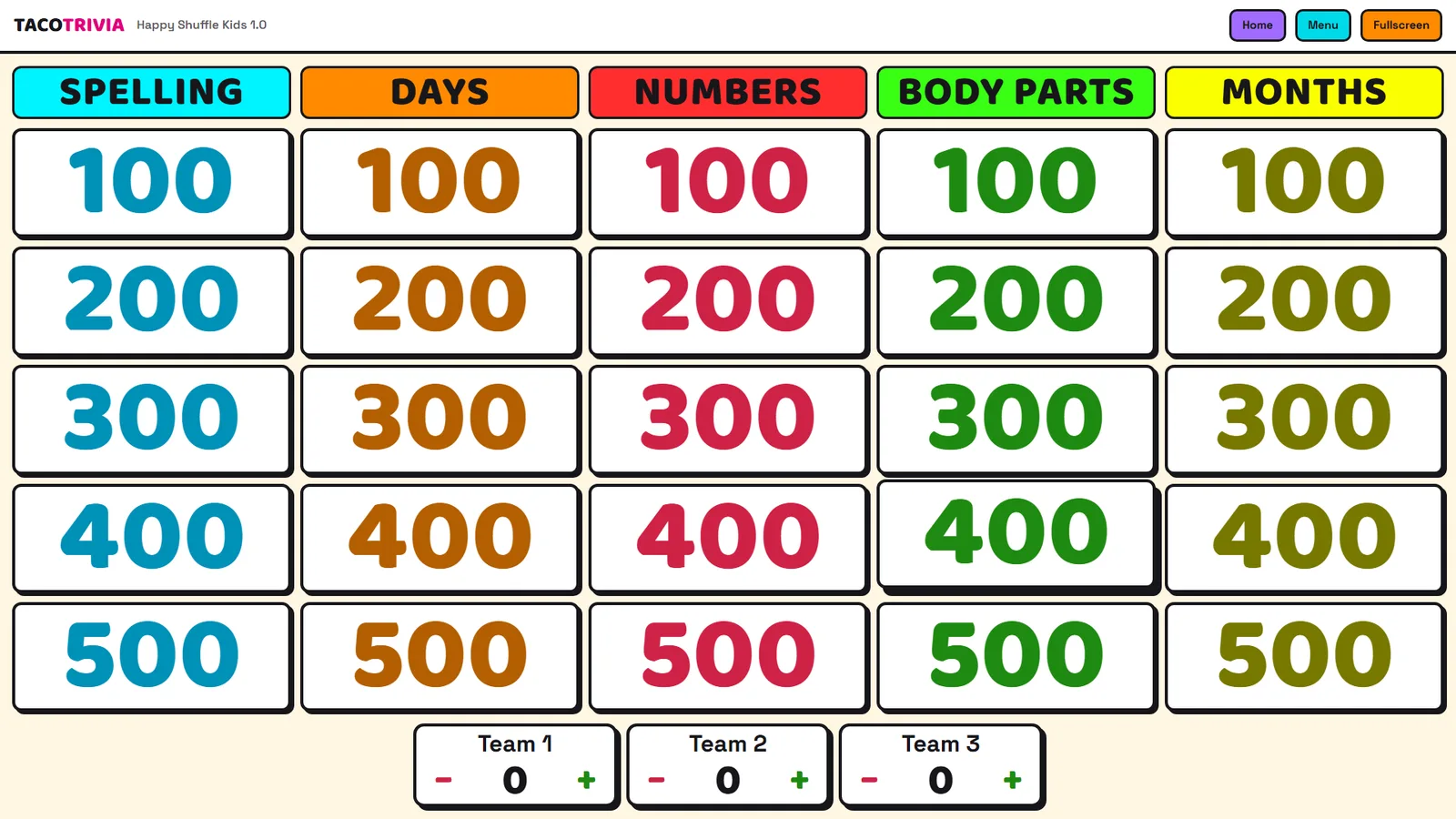
A team quiz board run by the teacher: 11 game packs, 398 questions, one to six teams, no student devices.
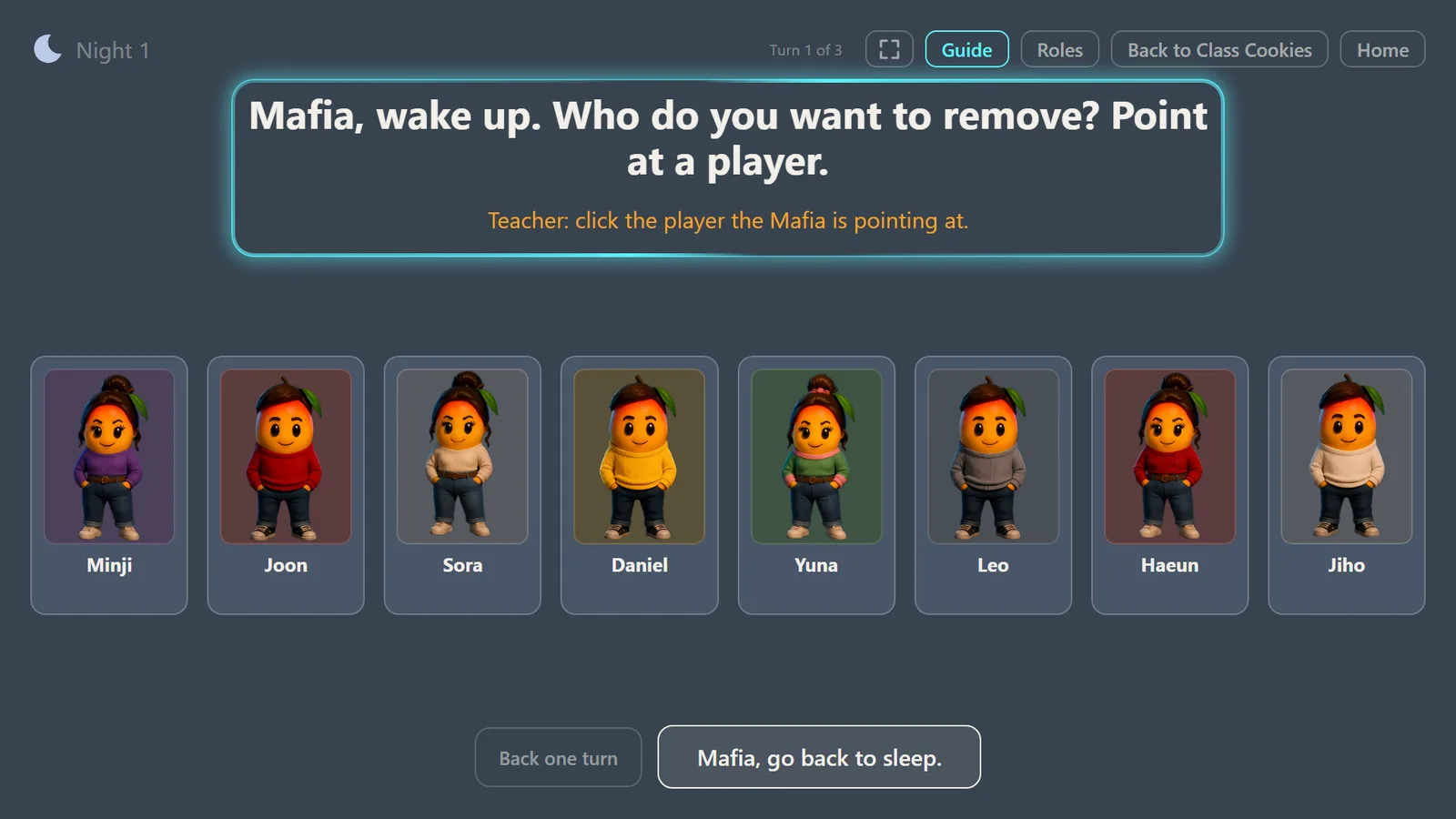
Mango Mafia
Classroom Mafia for 4 to 20 students. The app deals the roles, remembers who is who, and tells the teacher what to say next.
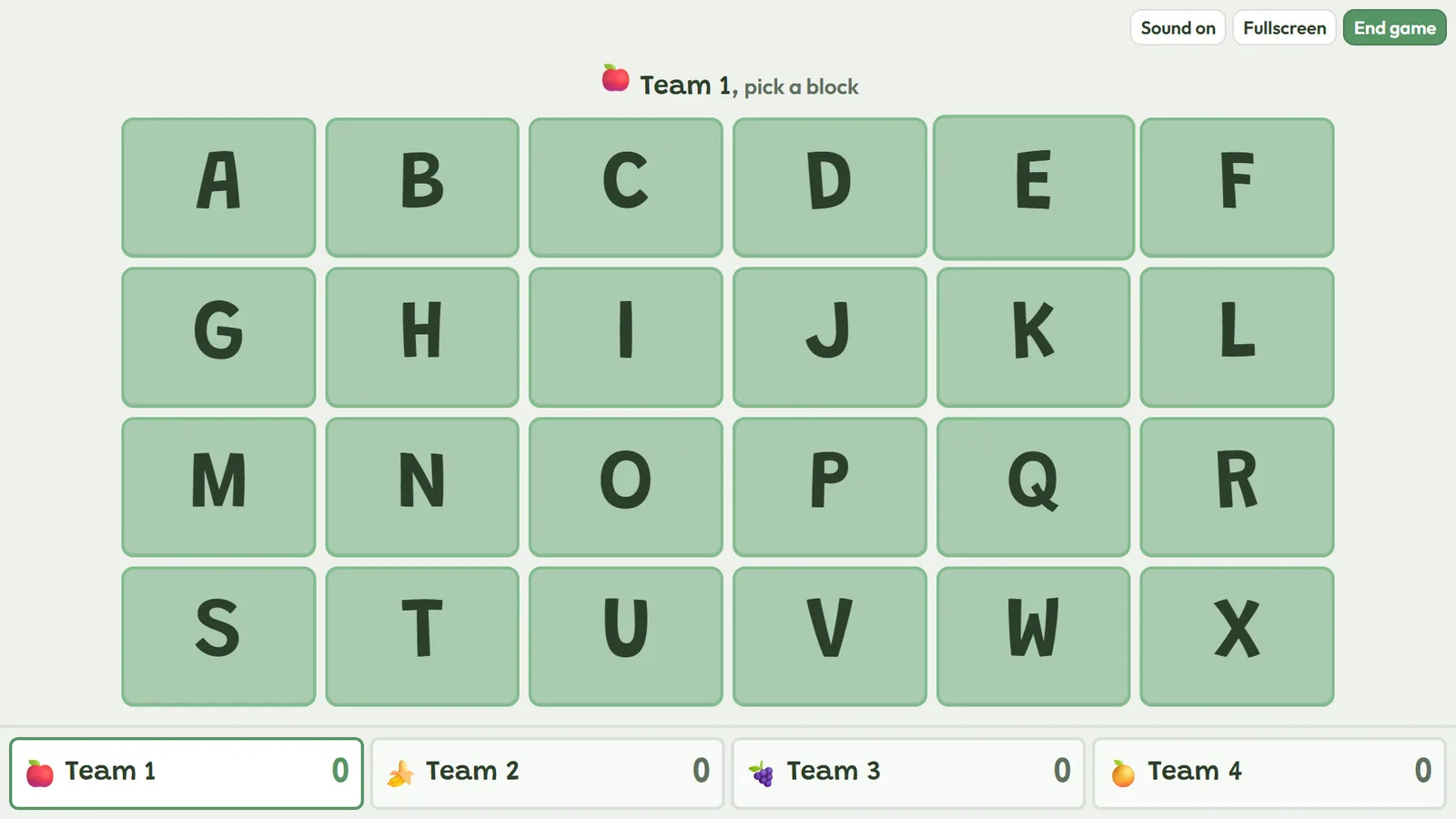
Super Mushroom Man
"What do you say next?" A team quiz where a right answer opens a block: coins, or one of seven surprise outcomes.
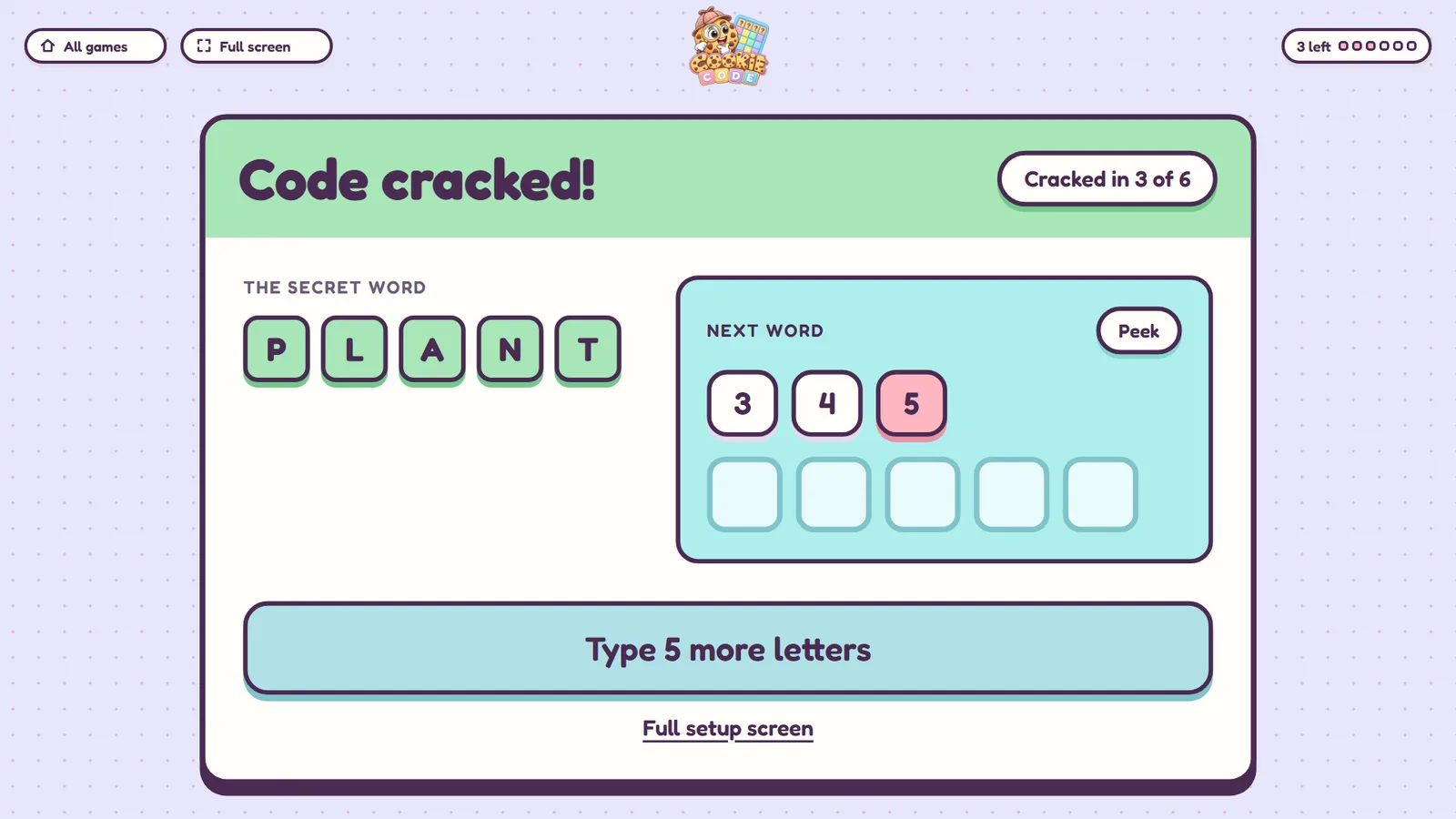
Cookie Code
A whole-class word-guessing game: the teacher sets a secret word of three to five letters and the class cracks it together.
One person, many AI agents
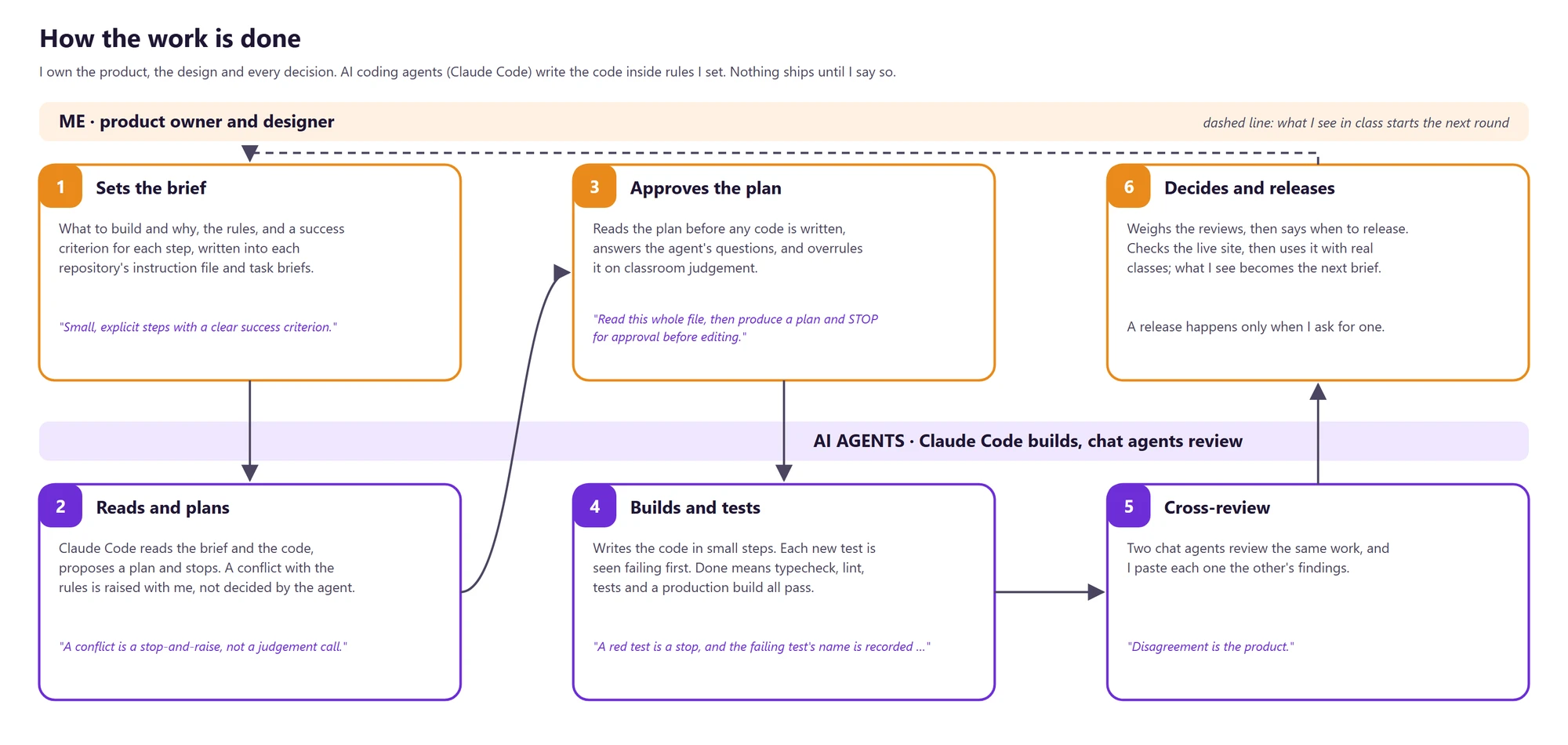
I build Class Cookies and its five games by directing AI agents. I'm the product owner, designer and tester. Claude Code writes the code, nothing is built that I haven't decided on, and nothing is released until I say so.
Each of the six products, the five games and the Class Cookies platform, has its own repository and its own Claude Code sessions. Every session reads that repository's instruction file before it does anything else. Other sessions handle work that cuts across the products: this portfolio, and clean-up jobs such as checking every repository for a bug one session found in another.
Above the sessions sit two chat-based reviewers. Every session report goes to both. They check it against the brief, look for what was skipped or got through untested, and write the next prompt, which I paste into the session. They review the same work, and I pass each one the other's findings. As the brief puts it, "Disagreement is the product." Beside them, a separate chat-based Claude agent works on marketing: it analysed the market and drafted LinkedIn and Reddit posts.
I decide what gets built and design how it works in a classroom. I test the live sites myself and send back what I find. I use the games with my own classes most weeks, and colleagues have tried them in theirs. That is informal use, not a study, but it changes the design: Taco Trivia has no game-over screen, because final scores are counted after the last tile and a screen would cover the score panels.
On the production branches, 694 of the 869 commits carry a Claude co-author line. Git lists me as the author because I direct the agents and commit their work; it does not mean I typed the code.
The products themselves contain no AI: none of them calls an AI service.
- I write the brief: what to build, the rules, and a success criterion for each step.
- The product's session reads its instruction file, plans, and stops for my approval.
- It builds in small steps. A new test has to fail first. Done means typecheck, lint, tests and a production build all pass.
- The reviewers read its report and draft the next prompt.
- I decide and release, check the live site, and use the result in class.
Reports
Correction, 16 October 2026. The report says a refund removed access. The only live purchase was my own test, and its refund did not remove access at the time. 59 Seconds never had paying customers. It also says "One teacher who can code": I direct AI agents to write the code; I don't write it by hand.

Jacobus Barnard
English teacher in Seoul. I use these games with my own classes most weeks, and colleagues have tried them in theirs: informal, everyday use rather than a formal study.